
美国SNAP粮食补助遭历史性削减:逾300万人失去福利,加州约30万人退出项目
AACYF/洛杉矶(2026年5月8日)— 美国国会去年夏天通过的H.R.1法案(又称“One Big Beautiful Bill”)正在对全美低收入家庭的食品安全体系产生深远影响。该法案大幅削减医疗与食品援助预算,并提高福利资格门槛,导致自2025年7月至2026年1月期间,全美已有超过300万人失去联邦粮食补助计划SNAP(Supplemental Nutrition Assistance Program,俗称“粮食券”)福利资格。
由美国社区媒体(American Community Media,ACoM)举办的线上新闻简报会(3 Million Americans Lose Critical Food Safety Net, as Dramatic Cuts to SNAP Take Effect)上,多位公共卫生专家警告,随着更多条款陆续生效,未来可能还有上百万人失去援助或福利金额被大幅削减。

- Dr. Giridhar Mallya, Senior Policy Officer, Robert Wood Johnson Foundation. Dr. Mallya is a public health physician
来自Robert Wood Johnson Foundation的高级政策官员、公共卫生专家Giridhar Mallya指出,这项法案削减了近1万亿美元的医疗与食品安全项目预算,其中SNAP项目到2034年前将被削减1870亿美元,成为该计划自1964年设立以来最大规模的预算削减。
“SNAP是美国最有效的公共政策之一,”Mallya表示,“它帮助儿童获得更健康的饮食,提高学业表现,也减轻家庭经济压力。但特朗普政府推动的这项法案,带来了极其严厉的削减和制度变化。”
SNAP是美国联邦政府为低收入家庭提供食品补助的重要项目,目前全美约有4200万人依赖该计划。根据数据显示,约40%的SNAP受益者是儿童,此外还包括老年人、残障人士以及大量“有工作却仍无力承担基本生活成本”的低收入劳动者。
Mallya介绍,目前个人平均每月可获得约188美元补助,家庭平均约332美元,相当于每餐仅约1.5美元。
新法案实施后,各州政府必须承担更高比例的SNAP行政成本。过去联邦与州政府各承担50%,如今州政府需负担75%;自2027年起,各州还必须承担5%至15%的食品补助费用。
“这是前所未有的变化,”Mallya说,“州政府财政压力将明显增加,未来可能进一步影响福利覆盖范围。”
此外,法案还扩大了工作资格审核要求,取消退伍军人与部分特殊群体原有的豁免资格,导致申请程序更加复杂繁琐。
更具争议的是,新法案取消了部分合法移民群体的SNAP资格,包括难民、庇护申请者及人口贩运受害者。Mallya强调,无证移民从来都不具备SNAP资格,但当前严厉的移民执法氛围,已经让大量符合资格的移民家庭因恐惧而不敢申请福利。
“无论移民身份如何,人们都感到害怕,”他说,“这是许多社区正在经历的现实,我们已经看到参与率明显下降。”
数据显示,自法案通过以来,加州已有约30万人退出SNAP项目。
与此同时,法案还冻结了SNAP福利金额,不再依据通货膨胀调整。专家预计,未来十年内,受益者实际购买力将缩水约20%,约400万人可能失去福利,其中包括100万名儿童。
为了追踪这些政策变化带来的影响,Congressional District Health Dashboard于4月29日发布了全新的SNAP参与数据平台,首次提供美国每个国会选区的季度SNAP参与率,并整合40多项健康与经济指标,让公众能够长期追踪地方层面的变化。
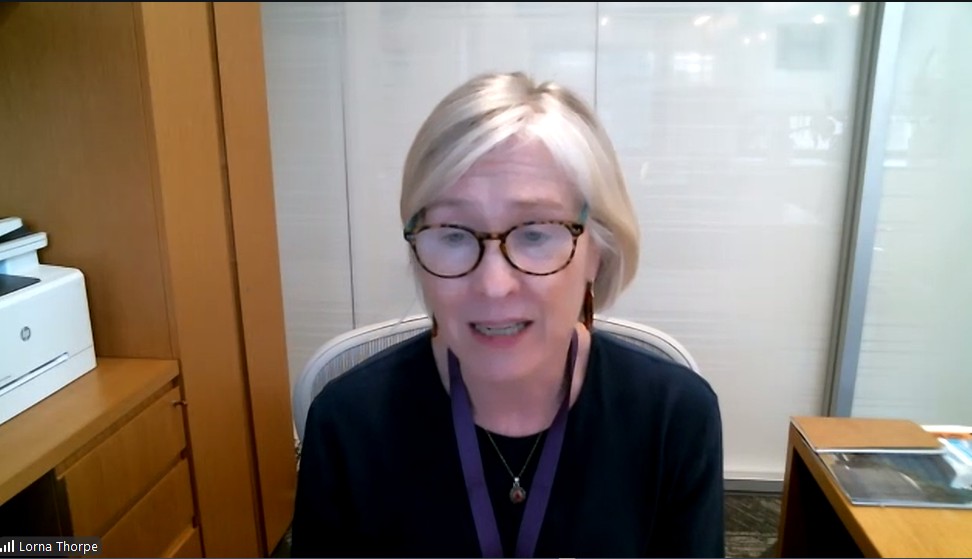
- Dr. Lorna E. Thorpe, Methods Co Principal Investigator, Congressional District Health Dashboard. Dr. Thorpe is the Chair of the Department of Population Health at the NYU Grossman School of Medicine
该平台首席研究员、New York University Grossman School of Medicine人口健康系主任Lorna E. Thorpe表示,目前美国平均每六个家庭中,就有一个家庭依赖SNAP。
“不同地区差异巨大,”Thorpe说,“有些国会选区参与率只有3%,但有些地区接近60%。”
她指出,2025年第三季度,全美国会选区平均SNAP参与率为17.4%,而加州整体高于全国平均值,接近四分之一家庭参与该项目。
其中,加州第22选区(贝克斯菲尔德地区)与第21选区(弗雷斯诺地区)超过半数家庭依赖SNAP;而包括奥克兰、伯克利与阿拉米达的第12选区,参与率也达到24.7%。
Thorpe表示,这项平台最大的意义在于提供“更细致的地方数据”,帮助媒体、社区与政策制定者评估未来政策变化带来的长期影响。
她特别指出,由于长期存在的经济不平等,非裔、拉丁裔,以及部分亚裔与太平洋岛裔社区在SNAP受益者中的比例明显偏高,因此新法案对少数族裔社区的冲击也更为严重。
专家们同时强调,SNAP不仅是反贫困工具,也对整体经济与公共健康具有重要作用。研究显示,该项目能稳定社区经济、减轻食物银行压力,并改善儿童健康与学习表现。
“SNAP能够帮助家庭度过经济困难时期,也能促进更健康的饮食习惯,”Thorpe表示,“特别是在与水果和蔬菜补贴政策结合时,其公共健康效益更加明显。”
随着H.R.1法案更多条款未来几年逐步落实,公共卫生专家担忧,美国粮食安全问题恐进一步恶化,尤其对低收入家庭、儿童及少数族裔社区带来长期影响。